Transfer bonuses are one of the most overlooked levers in points hacking — and one of the most powerful. A 30% transfer bonus means you need 30% fewer points for the same award, or you can book a higher-priced seat with the same balance you already have.
This page explains how transfer bonuses work, why they matter, and how to use them. For the live list of every bonus active right now, jump to our dedicated tracker below.
What Are Transfer Bonuses?
A transfer bonus is a promotion where a credit card issuer gives you extra miles or points beyond the standard 1:1 ratio when you move points to a partner program. Instead of transferring 50,000 Amex MR points and receiving 50,000 Flying Blue miles, a 30% bonus would give you 65,000 Flying Blue miles for the same 50,000 MR points.
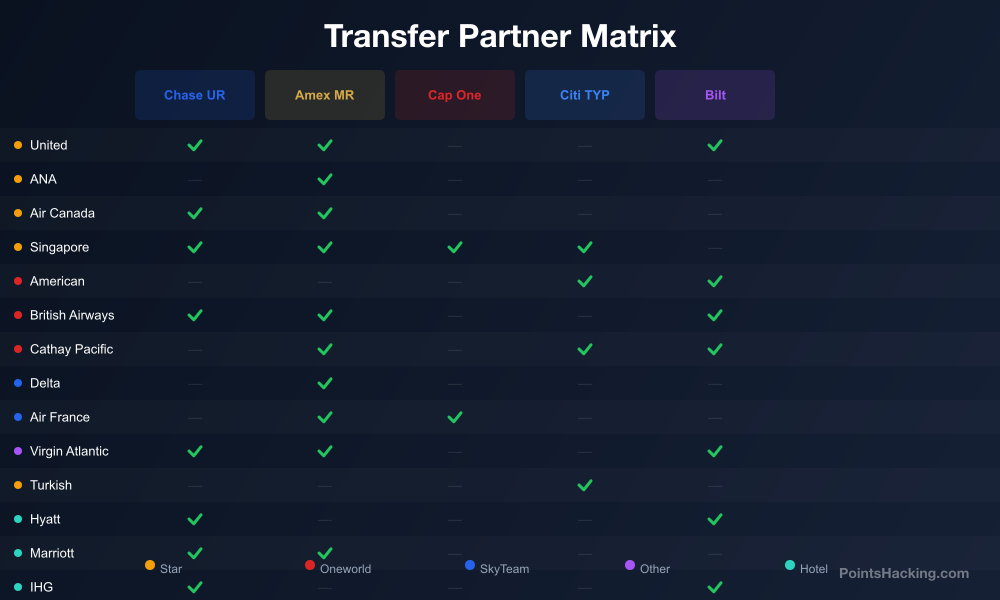
These bonuses are offered by the credit card issuer (Chase, Amex, Capital One, Citi, Bilt) — not the airline or hotel program. The receiving program has no say in whether a bonus is offered. This also means: if you transfer points to an airline during a bonus, those bonus miles belong to the airline program and cannot be moved back.
Bonuses are almost always time-limited — typically 2 to 6 weeks — and often capped at a maximum transfer amount that qualifies for the bonus. Always read the fine print before transferring.
Why Transfer Bonuses Matter
The math is compelling. Consider a United Polaris business class seat from New York to London costing 70,000 Avianca LifeMiles (zero surcharges). If Amex is running a 25% bonus to LifeMiles, you only need to transfer 56,000 Amex MR points to receive 70,000 LifeMiles.
Those 14,000 saved MR points are worth $280-$560 in premium redemptions. A single transfer bonus, on a single trip, can save you hundreds of dollars in point equivalent value — with zero change to your travel plans.
The more strategic play: accumulate points with a future trip in mind, then wait for a bonus before transferring. This requires patience and flexibility, but for travelers who plan 3-6 months ahead, aligning a transfer bonus with your booking window is completely achievable.
Understanding why you should always transfer rather than buy miles is foundational here — transfer bonuses make the already-superior transfer math even more decisive.
How to Use Transfer Bonuses Strategically
There are three levels of transfer bonus strategy.
Level 1 — Opportunistic: You check the tracker, see a bonus active to a partner you were already planning to transfer to, and pull the trigger early. Minimal effort, instant savings.
Level 2 — Aligned: You plan a trip, identify the best award routing and program, then delay your transfer until a bonus appears. Requires tracking bonuses regularly and having flexibility in your booking timeline by a few weeks.
Level 3 — Stacked: You combine a transfer bonus with an airline's own promotional pricing (Flying Blue Promo Rewards, for example) or a saver award release on a premium carrier. A 25% Amex-to-Flying-Blue bonus stacked with a 35% Flying Blue Promo Rewards discount on a specific route effectively gives you business class for less than half the standard price in points.
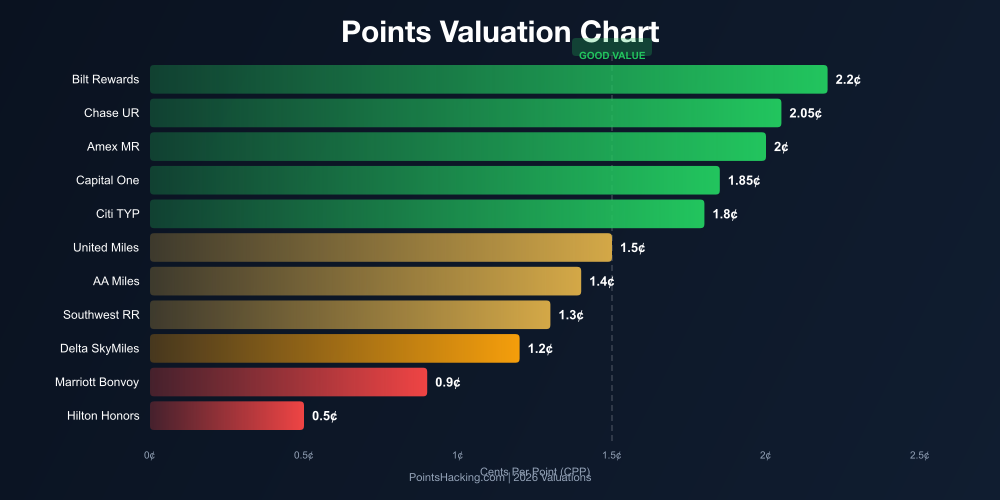
For context on how each major program's transfer ecosystem works: the Chase Ultimate Rewards guide covers Chase's bonus history with partners like Hyatt and United, and the Amex MR guide covers Amex's most frequent and highest-value bonus patterns with Virgin Atlantic, Flying Blue, and LifeMiles.
See the Live Tracker
Our dedicated transfer bonus tracker is updated every week — typically Monday mornings — with every confirmed active bonus across Chase Ultimate Rewards, Amex Membership Rewards, Capital One Miles, Citi ThankYou Points, and Bilt Rewards.
The tracker includes: the issuer, the partner program, the bonus percentage, the maximum eligible transfer, the expiration date, and a direct link to the offer terms. We also flag historically notable bonuses (e.g., when a bonus hits a multi-year high) so you know when to act aggressively versus wait for better.
View the Live Transfer Bonus Tracker →
For independent corroboration and additional community data points on transfer bonuses, Frequent Miler's transfer bonus tracker is the most thorough external source available.
If you are new to the concept of transfer currencies and want to understand why holding points in a flexible currency until a bonus appears is so powerful, start with our guide on why you should always transfer rather than buy.